

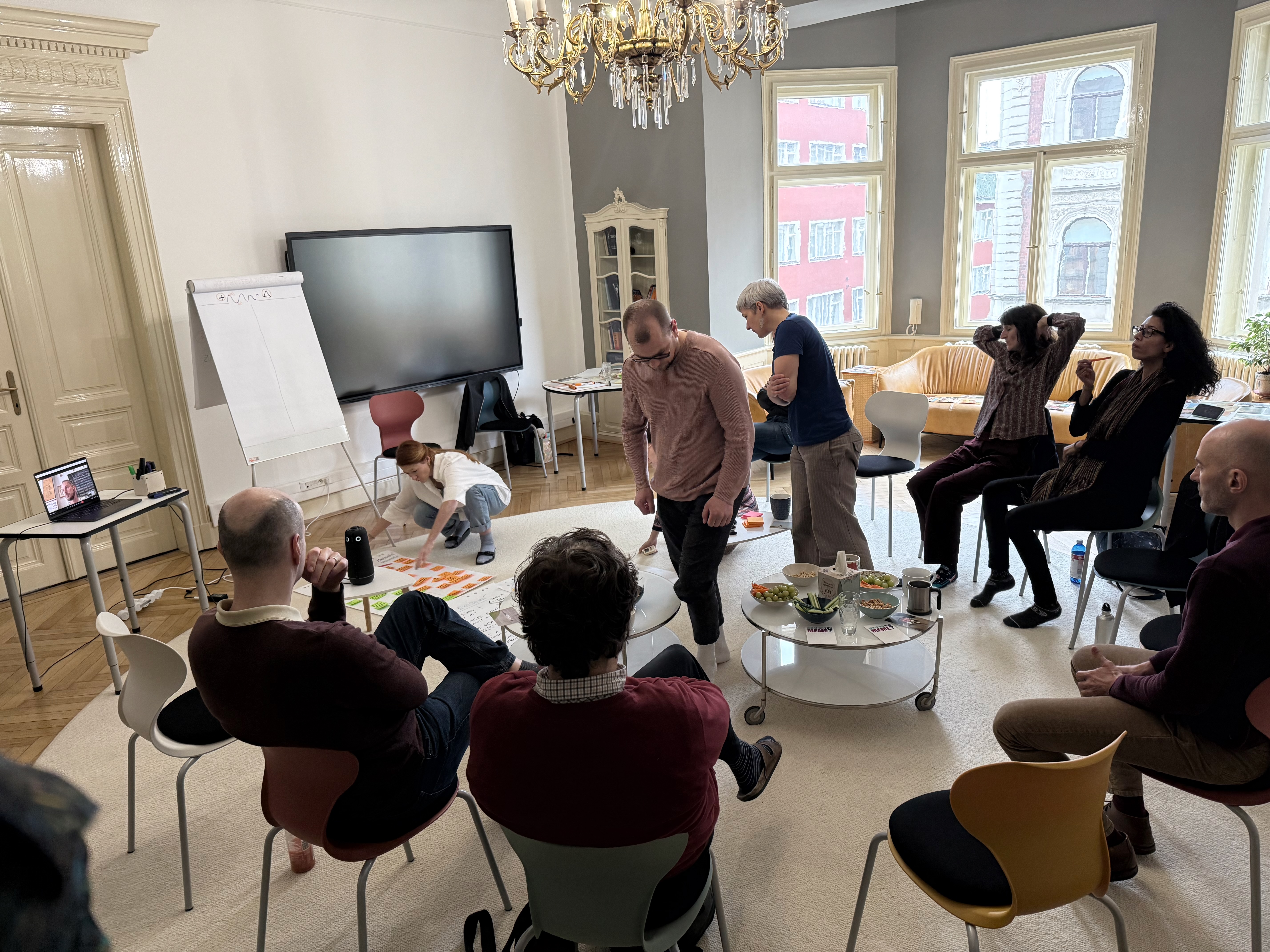
Camp for Teams
Three days outside your usual roles
Step away from roles, meetings and assumptions for three days. Together, you will explore a question that everyday operations can easily obscure: “Where does our work turn into value?”
What an ordinary meeting cannot reveal
A small project as a mirror for the team
A meeting shows what people think. A small project quickly reveals where work creates value and where it does not—before it becomes a major project, a long debate or an expensive mistake.
Over three days, you turn a topic that matters to you into something you can test quickly. You build a simple first version, put it in front of people and receive real feedback. The project is a means for the team to see where value emerges and what each person contributes.
Who it is for
For teams that know another meeting is not enough
For organisations where effort is not lacking, but a shared picture often is. Everyone sees the work from a different place—and that is where improvement ideas and new opportunities get lost.
Teams from across the organisation
Leadership, specialists, sales, product and operations—people who usually meet through their roles.
Organisations entering a new stage
For periods of growth, reorganisation, changing ways of working or exploring how AI will reshape daily work.
People with real impact
People who may not have a management title but influence customers, colleagues, users or the direction of work every day.
Why now
Work is changing faster than roles
When work is being rearranged under your hands, rewriting roles or waiting for instructions from above is not enough. You need to recognise more quickly where your organisation’s capacity to act, learn and create value comes from.
Source: World Economic Forum, Future of Jobs Report 2025.
Yesterday’s roles
Roles help organise a company, but during change they describe who someone was yesterday more readily than what they can contribute today.
Expensive certainty
Waiting for instructions protects a stable organisation from chaos. During change, the same waiting costs time, ideas and proximity to customers.
You pay for what you cannot see
Before redesigning the organisation or hiring new people, discover which capabilities already create value in your team but have not yet had room to grow.
How it works
Three days you normally cannot afford to take
First you step outside your usual roles, then you go out and meet people, and finally you return with an experience you can name together. Each day moves both the project and the team forward.
Day 1 — inwards
Topics and teams
Begin with topics people genuinely want to address. Form working teams of about five and identify what each person can bring.
Day 2 — outwards
Through the customer’s eyes
Turn the topic into a specific problem, customer and first outline of a solution. Talk to people, test assumptions and adjust direction based on what you hear.
Day 3 — back
Solution and reflection
Build a simple first version, present it and receive direct feedback. Name what worked, what did not and what you want to take back into everyday work.
What you take away
One shared experience to build on
The camp does not end as a pleasant team event. You leave with a shared situation in which you saw people, work, customers and value differently—and can return to it during future changes and projects.
More than a job category
Recognise capabilities that often remain invisible: curiosity, courage to ask, empathy and the ability to take a first step before everything is clear.
Meet the customer directly
Share direct contact with the customer, user or colleague your work is meant to help. It becomes a common experience rather than one department’s opinion.
Responsibility without unnecessary risk
When people understand the problem, customer and impact, they can act earlier, learn faster and create value with less risk.
Who leads the camp
Entrepreneurship, technology, education and working with people
Tomáš Vavrda and Taťána Beránková Císařová combine experience in entrepreneurship, technological change and experiential education.
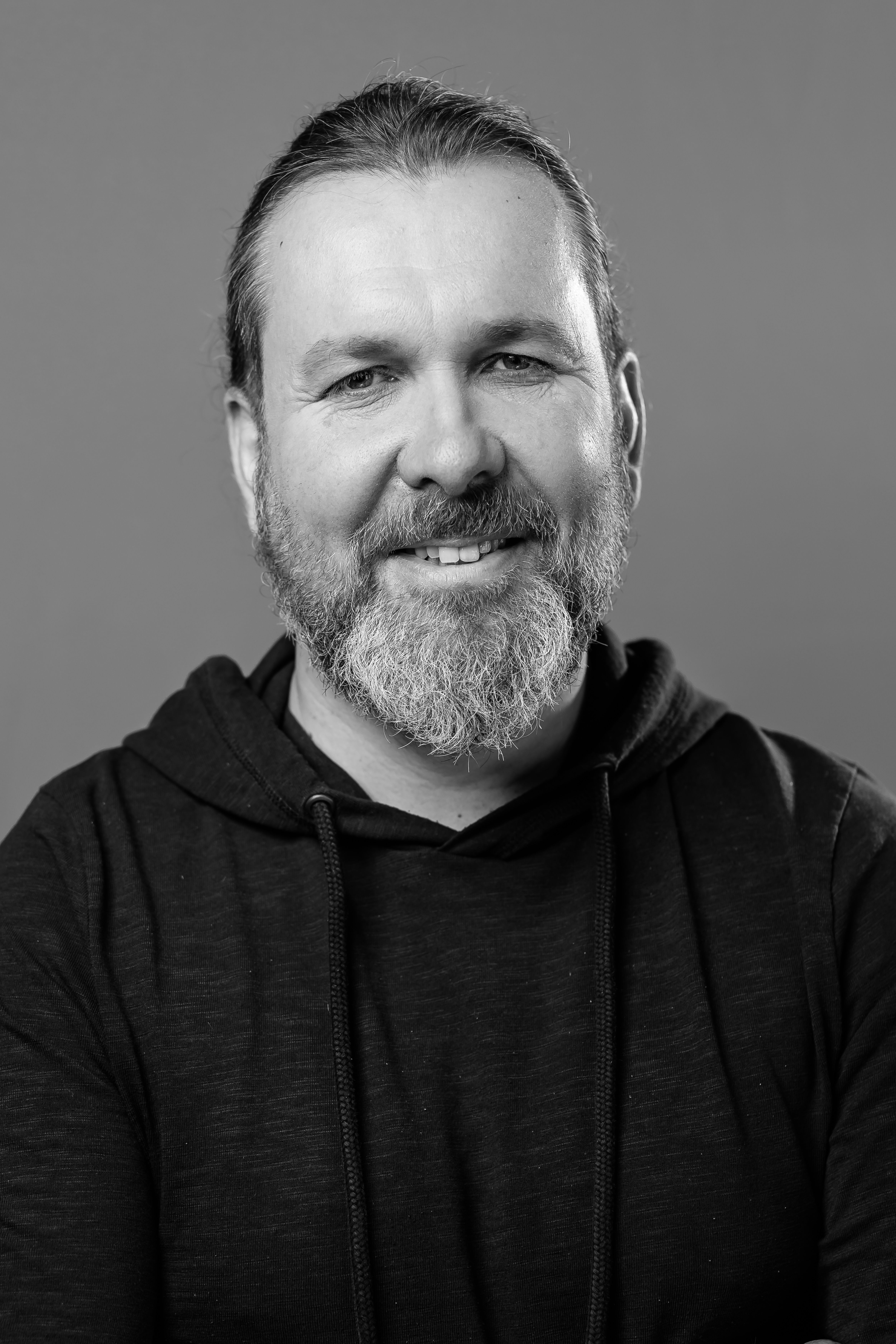
Entrepreneurship and technology
Tomáš Vavrda
Entrepreneur and founder of Adaptivio and the ORIGAM technology framework. He has worked on more than 150 projects and explores how people and organisations navigate change and complexity.
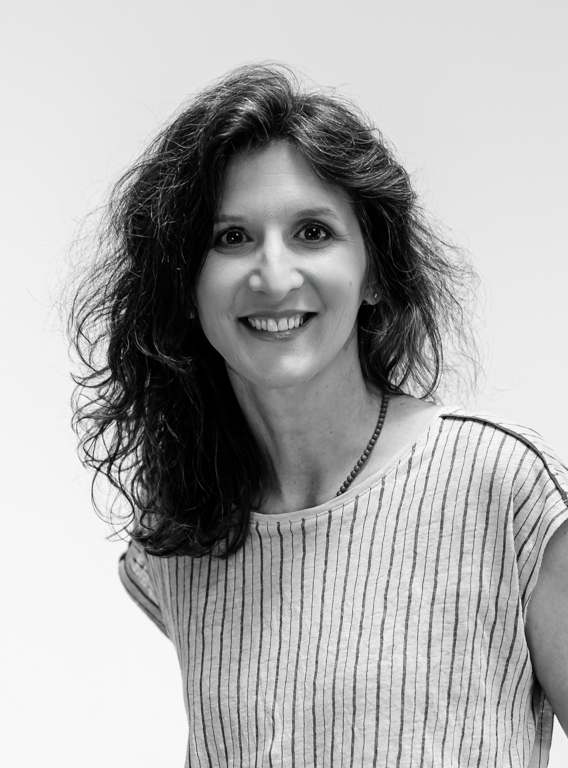
Education and working with people
Taťána Beránková Císařová
Educator, education innovator and economics teacher. For six years she and Tomáš have guided Generation Z student teams towards entrepreneurship and helped teachers step into a new role.
Practical details
A tailored camp for an organisation or team
We adapt the camp to your context without deciding the content for the team in advance. This creates a safe space to take ownership of a topic, try a new responsibility and see work through the customer’s eyes.
A mixed team
The strongest group spans leadership, sales, operations, product, support and people without formal titles.
Context
We clarify why you are running the camp, who should join and what is changing. Topics and projects emerge from what participants genuinely care about.
A shared experience
The result may be a project idea, a customer insight or a new understanding of the team. It is not an assessment of people.
Reflection with distance
We help the experience settle and identify what has carried into work, what should continue and what concrete step comes next.
A crisis is an expensive teacher. Meet reality more safely.